

Surgery
Profile Image
Lucy | 4 months ago
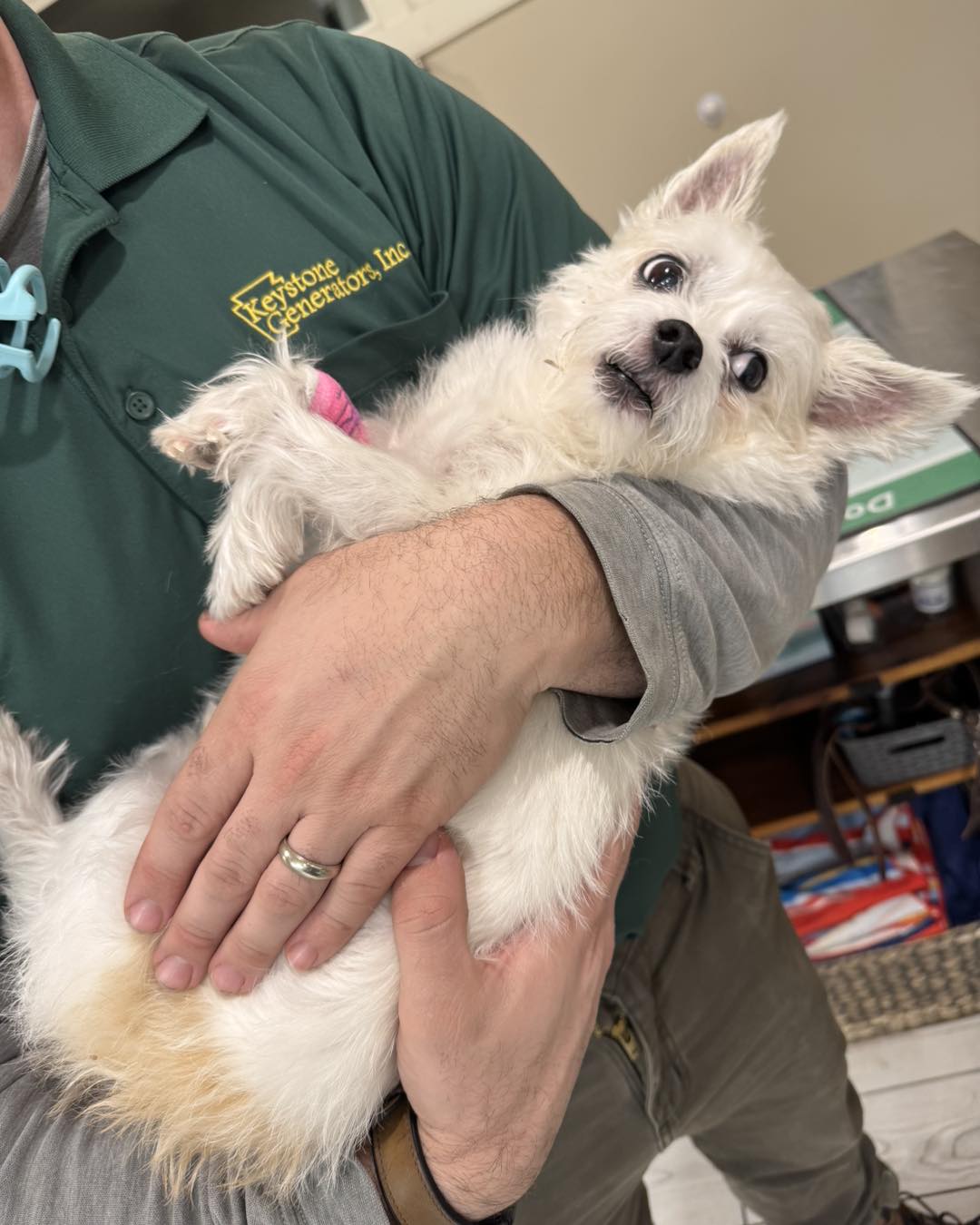
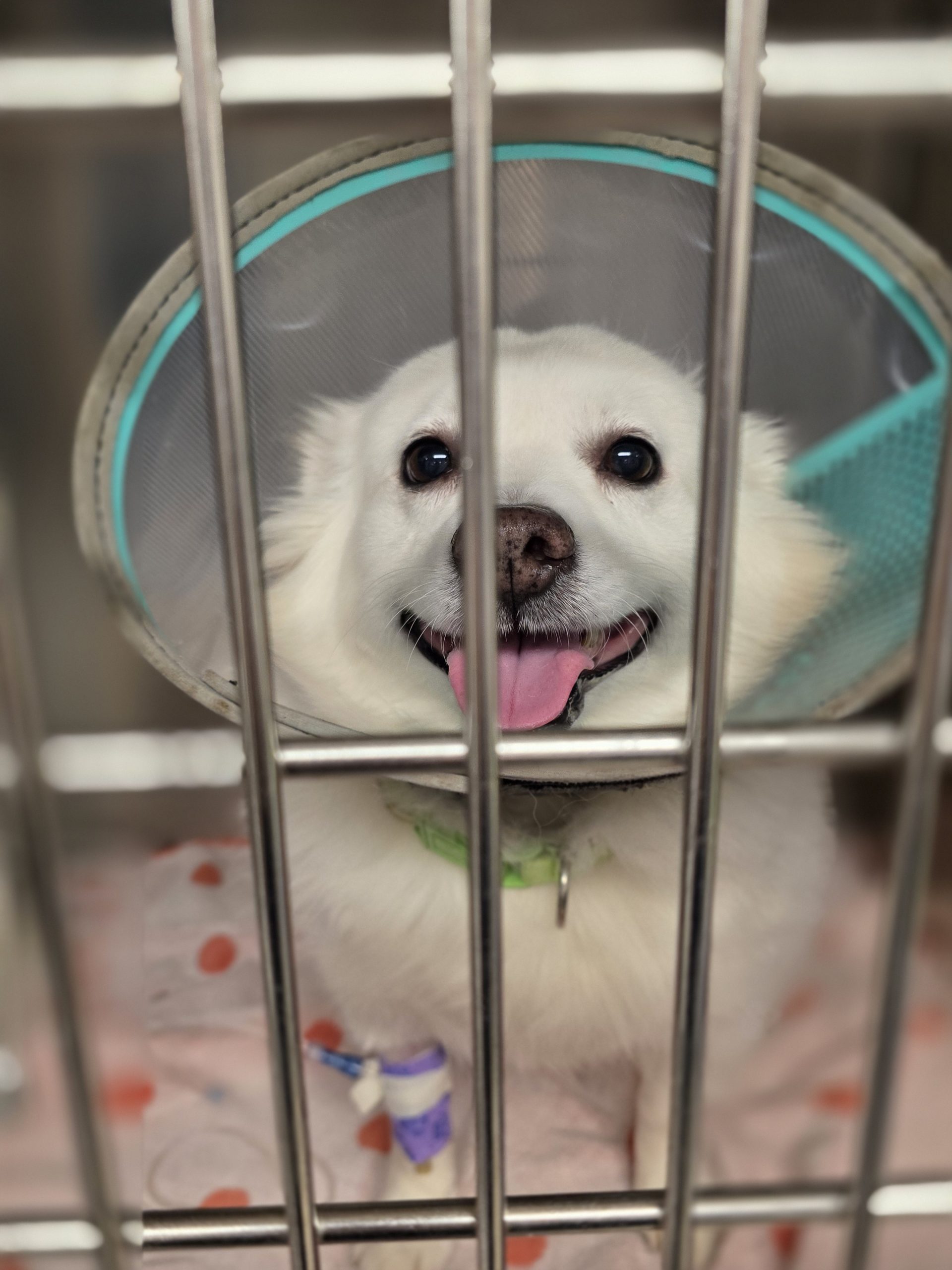
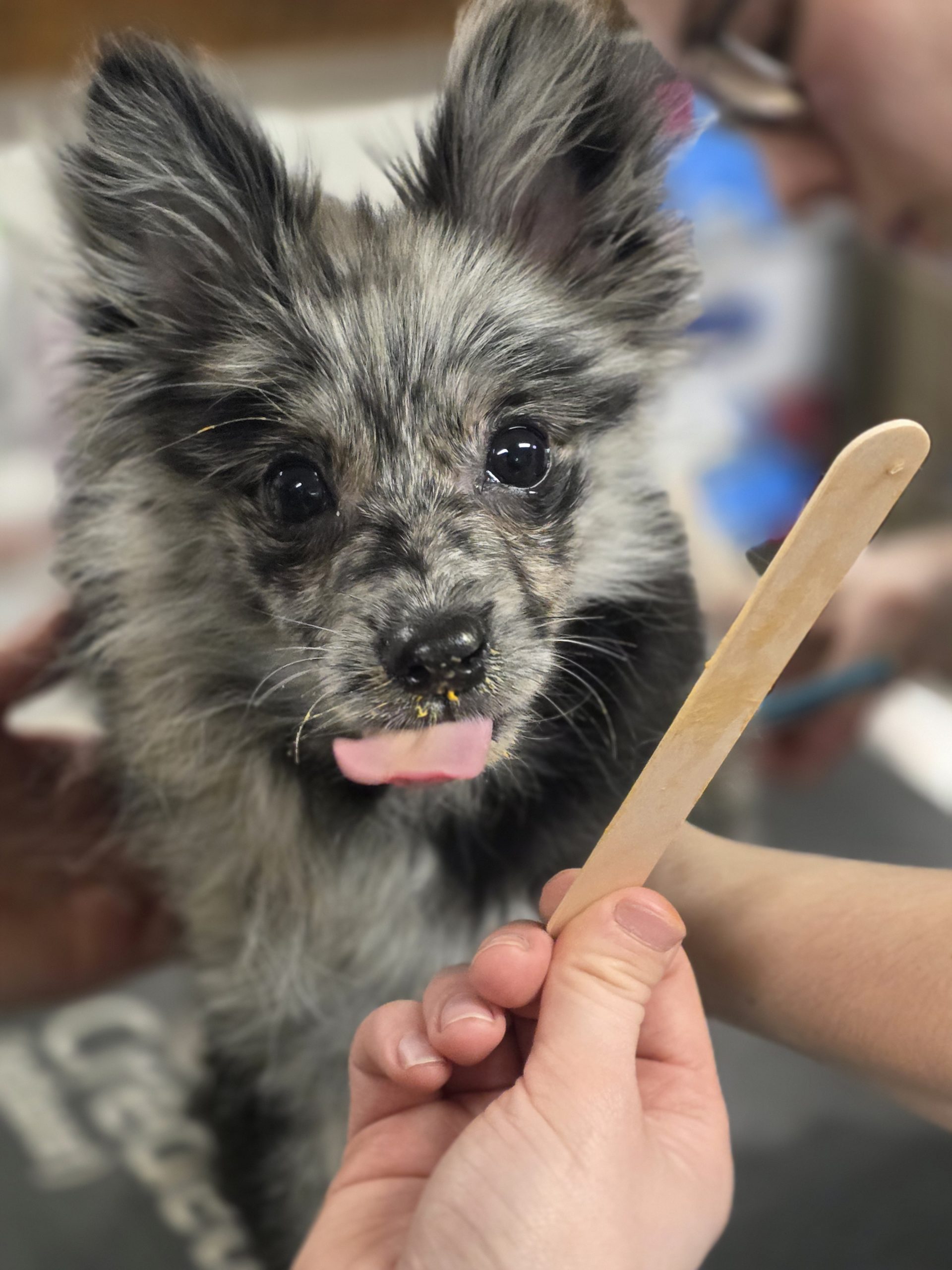
13 Year Old Male Chihuahua Mix Needed An Analsacectomy
Treatment Cost (USD): $3298.22
0 Responses
Surgery
Profile Image
Lucy | 4 months ago
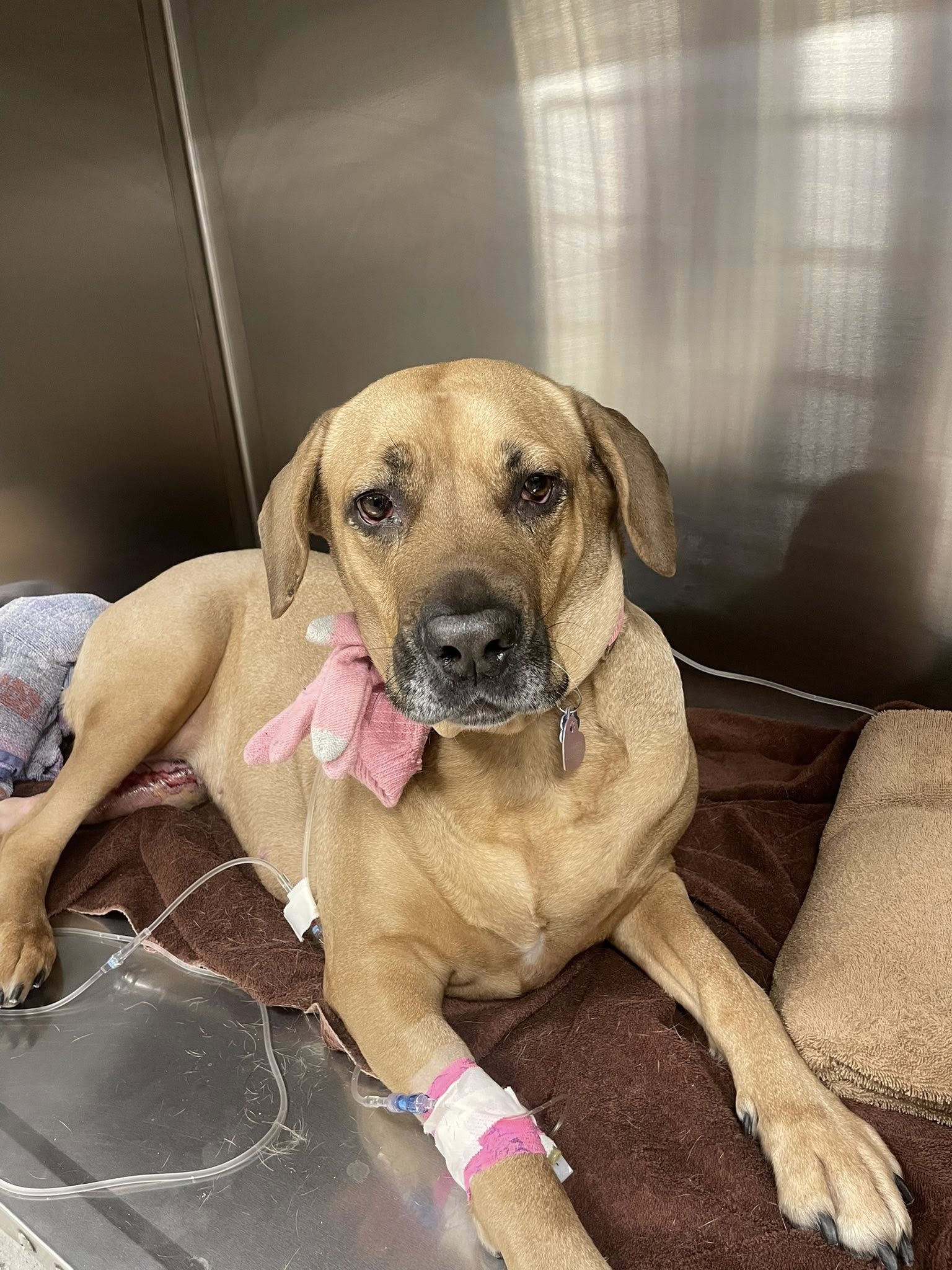
5 Year Old Boxer Mix Needing A Tibial Plateau Leveling Osteotomy (TPLO)
Treatment Cost (USD): $4233.32
0 Responses
Surgery
Profile Image
Lucy | 4 months ago
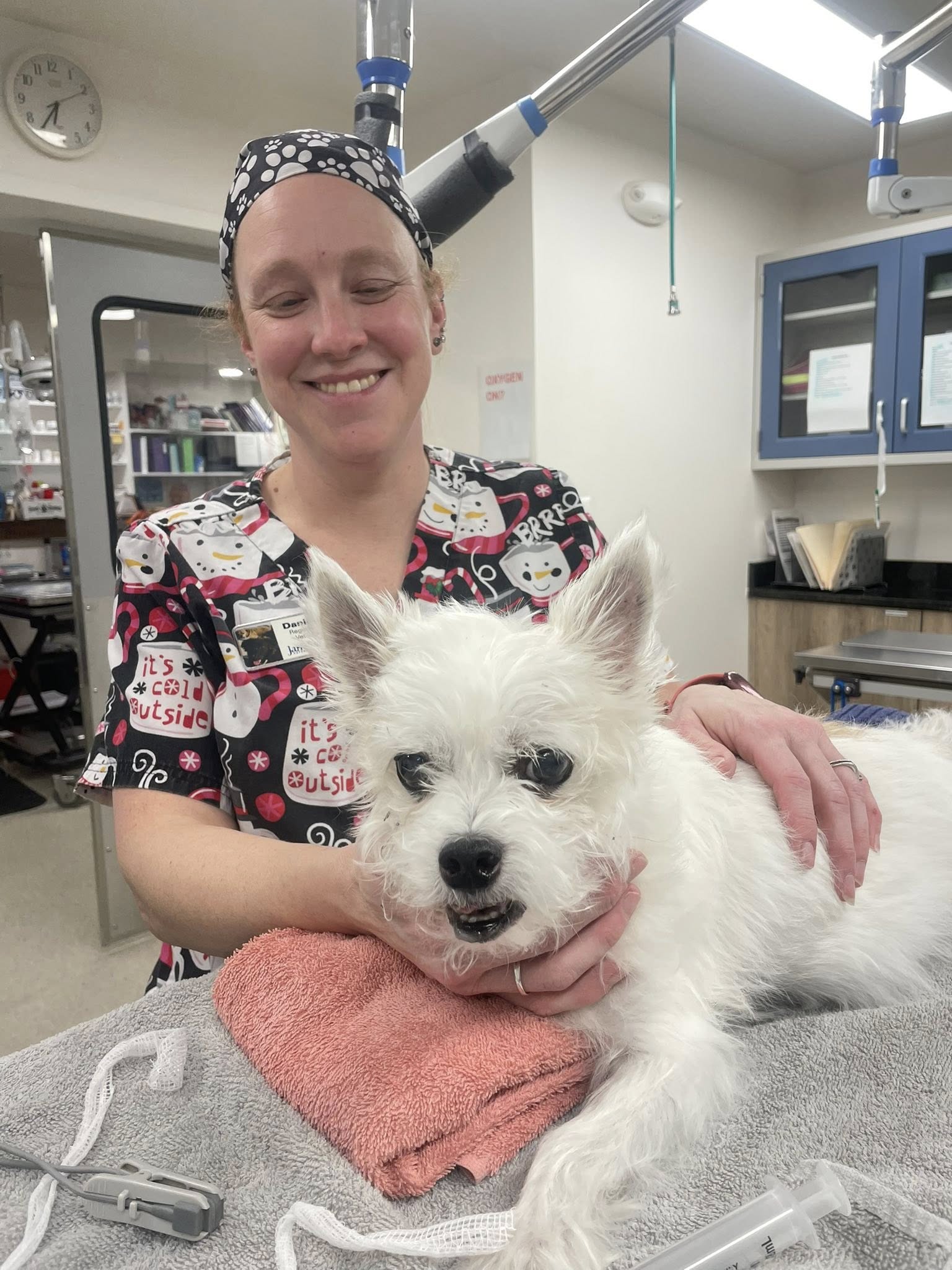
6 Year Old Dog Needing A Mass Removal And Dental
Treatment Cost (USD): $765.84
0 Responses
Regular Vet Visit
Profile Image
Lucy | 4 months ago
18 Week Old Puppy Exam
Treatment Cost (USD): $215.00
0 Responses
Question
Profile Image
Natalie | 4 months ago
Hello And Thank You. I Have A 12-year-old Pitbull Mix Named Flower Who Had Heartworm And …

Hello and thank you. I have a 12-year-old Pitbull mix named flower who had heartworm and she was treated with the three shot series back in June of 2025 and then 3 weeks ago she had a mammary gland tumor removed. Three days after surgery she started honking heaving and coughing. I’m afraid her heartworm has come back. She still eats and drinks and gets up but doesn’t look comfortable All she does is walk around and cough, spit up . I don’t have the strength to put her down but I’ve also spent thousands and I’m at a loss of what to do. Any advice would be helpful Thank you

1 Response

Comments

  1. Krista Magnifico

    Hello,

    I think that it is best to quell your concerns by seeing your vet. The heartworm should have been resolved with the treatment you were given. But your dog should still be on heartworm preventatives.

    I also think that you should follow up with whomever did the surgery for you. It might be post op tracheal inflammation.

Question
Profile Image
Anastasia | 4 months ago
Our Female German Shepherd Dog Is 5 Years Old And Has Had Chronic Liquid Diarrhea For 5 Months. …

Our female German Shepherd dog is 5 years old and has had chronic liquid diarrhea for 5 months. Other symptoms are weight loss, sporadic inappetence and vomiting. Her energy is normal and bright. History of Pika, but no obvious ingestion of foreign objects during this interval. Three fecal studies mostly negative, two blood panels not conclusive (some levels low-normal). Two courses of Metronidazole (no effect), Three courses Amoxi/Clav (effective until finished), Panacur, probiotics, Cobalequin, special diets. Now on Hills GI Biome diet. Negative for EPI. Low B12. Vet has advised that this is antibiotic responsive diarrhea.

Went to an internal medicine specialist today upon referral. Ultrasound shows a tumour and intestinal thickening, lymph node activity. We are being steered toward open surgery to resect the intestine for possible, but unknown, malignancy and removal. Vet cannot explain why the diarrhea is antibiotic responsive, if malignant tumour. We are doing yet another expanded fecal study and Pancreatitis test to determine if coincident. We are already $3,800 into diagnostics with no real answers or help as to the root cause. Dog improves significantly with normal stools while on the Amoxi/Clav, but regresses immediately to liquid diarrhea when treatment stops.

Surgery recommended that may or may not be curative ($6,500). Of course, we hate to put our dog through this if futile, but understand that cancer cannot be diagnosed through imaging. Can anyone offer insights to either affirm our path or offer alternative ideas? Why the improved response to the antibiotics if a tumour is the cause? Thank you kindly.

2 Responses

Comments

  1. Krista Magnifico

    Hello,
    I’m sorry to hear about your dog. What a crazy journey and diagnosis.
    I want to say that medically it sounds like you did everything right. I do not want to interfere with the work up or advice that you have gotten. I do feel that if you are at a specialists office you are at the right place.

    The only things that you might be able to inquire about would be fecal transfer or tylan powder. In some cases especially with GSD I also try a hydrolyzed diet. But based on your work up biopsy or exploratory surgery is on the list.
    There is no easy or right answer. Try to find a vet you trust and very best of luck. It sounds like you absolutely did absolutely everything you could do.
    Dr Magnifico
  2. Anastasia Post author

    We now have confirmation from the surgical biopsy of GI Lymphoma, possibly quite diffuse. Our dog’s quality of life is poor with nearly incontinent watery diarrhea, vomiting, inappetence and weight loss. We have decided to forego steroids and chemotherapy for humane euthanasia. We are devastated to say the least. We wish that we could understand why this happened to our beautiful young dog.

Question
Profile Image
Meredith | 4 months ago
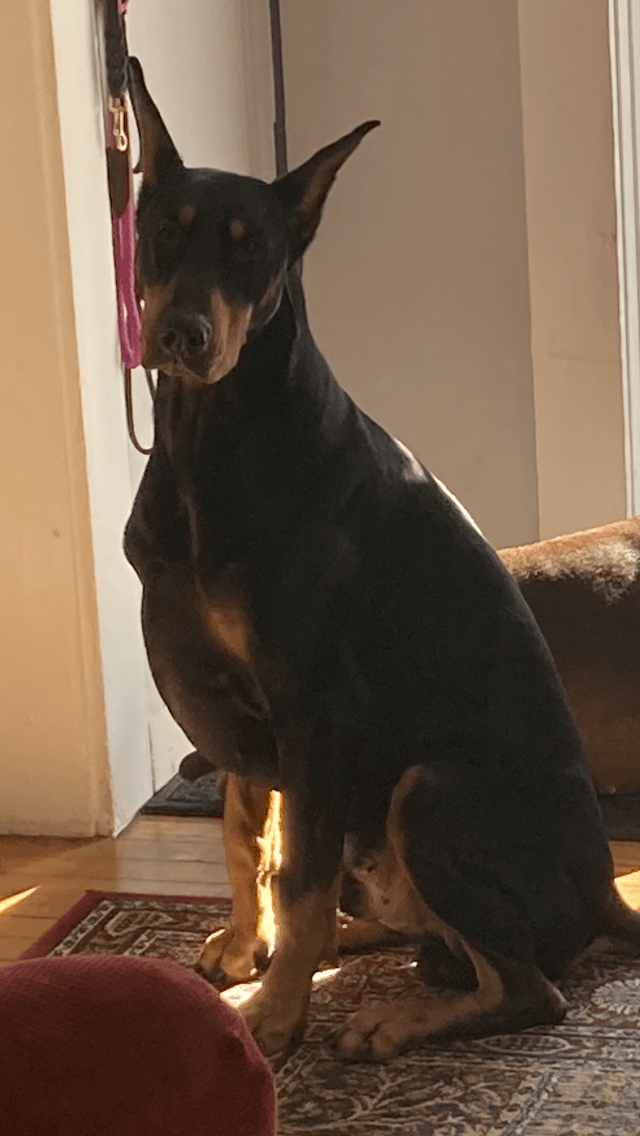
My Four Year Old Male Doberman (Oskar) Seen At Emergency Vet For Excessive Vomiting (10 Times Right …

My four year old male Doberman (Oskar) seen at emergency vet Sunday 1/4 for excessive vomiting (10 times right after breakfast) . X-rays /labs/fluids. Suspected hiatal hernia. Vomiting has stopped. They felt he was critical. They transferred us to a larger ER as they were not equipped to handle this. Ultrasound and another xray performed. Dog is stable. First two vets at this location felt wait and watch. Third vet says we need to repair with surgery. Sending us to internal med for barium swallow. We are at about $ 6000 so far. Thank god we have insurance.
History of intermittent regurgitation while eating. No other symptoms. No reflux. No drooling. No weight loss. Only happens in the mornings after breakfast every few months. Nothing as severe as Sunday. Only once or twice then done. Happy energetic dog. History of allergies. Testing done. Tried immunotherapy Itchy skin , runny eyes. Managing on raw diet last three years. Cleared his skin for the most part. Avoided apoquel and cytopoint. Used Zyrtec. Previously tried hydrolyzed protein foods at around a year old. This is when regurgitation started ( coincidence? )he would also refuse to eat it. Bottom line do you think we should we consider surgery ? We do yearly echos and own our own holter monitor. We pinch penny’s to give them good care as these dogs mean so much to us. Feel we are being pushed into a very expensive and possibly risky surgery and I HATE putting my dogs under anesthesia. My own vet left the practice and I’m trying to find another that might be a good fit. I’m in NH and it’s not easy. Thank you !

1 Response

Comments

  1. Krista Magnifico

    Hello,
    These are one of those cases where too many opinions can make it even more confusing. Try to follow the advice of a vet who is both credentialed and trustworthy. Be honest about your thoughts and abilities and work together to find an answer that everyone is comfortable with.

    Very best of luck.

Question
Profile Image
Meredith | 4 months ago
Four Year Old Mn Doberman Seen At Emergency Vet For Excessive Vomiting (10 Times Right After Breakfast) . …

Four year old mn Doberman seen at emergency vet for excessive vomiting (10 times right after breakfast) . X-rays /labs/fluids. Suspected hiatal hernia. Vomiting has stopped. They felt he was critical. They transferred us to a larger ER as they were not equipped to handle this. Ultrasound and another xray performed. Dog is stable. First two vets at this location felt wait and watch. Third vet says we need to repair with surgery. Sending us to internal med for barium swallow. We are at about $ 6000 so far. Thank god we have insurance.
History of intermittent regurgitation while eating. No other symptoms. No reflux. No drooling. No weight loss. Only happens in the mornings after breakfast every few months. Nothing as severe as Sunday. Only once or twice then done. Happy energetic dog. History of allergies. Testing done. Tried immunotherapy Itchy skin , runny eyes. Managing on raw diet last three years. Previously tried hydrolyzed protein foods at around a year old. This is when regurgitation started ( coincidence? ). Bottom line should we consider surgery ? We do yearly echos and own our own holter monitor. We pinch penny’s to give them good care as these dogs mean so much to us. Feel we are being pushed into a very expensive and possibly risky surgery and I HATE putting my dogs under anesthesia.

0 Responses
Question
Profile Image
Meredith | 4 months ago
Four Year Old Mn Doberman Seen At Emergency Vet For Excessive Vomiting (10 Times Right After Breakfast) . …

Four year old mn Doberman seen at emergency vet for excessive vomiting (10 times right after breakfast) . X-rays /labs/fluids. Suspected hiatal hernia. Vomiting has stopped. They felt he was critical. They transferred us to a larger ER as they were not equipped to handle this. Ultrasound and another xray performed. Dog is stable. First two vets at this location felt wait and watch. Third vet says we need to repair with surgery. Sending us to internal med for barium swallow. We are at about $ 6000 so far. Thank god we have insurance.
History of intermittent regurgitation while eating. No other symptoms. No reflux. No drooling. No weight loss. Only happens in the mornings after breakfast every few months. Nothing as severe as Sunday. Only once or twice then done. Happy energetic dog. History of allergies. Testing done. Tried immunotherapy Itchy skin , runny eyes. Managing on raw diet last three years. Previously tried hydrolyzed protein foods at around a year old. This is when regurgitation started ( coincidence? ). Bottom line should we consider surgery ? We do yearly echos and own our own holter monitor. We pinch penny’s to give them good care as these dogs mean so much to us. Feel we are being pushed into a very expensive and possibly risky surgery and I HATE putting my dogs under anesthesia.

0 Responses
Question
Profile Image
Kayla | 4 months ago
My 14 Year Old Dachshund Is Post Op Day 7 From Cervical Spine Surgery. He Has A Very …

My 14 year old dachshund is post op day 7 from cervical spine surgery. He has a very similar presentation to Hank, and I’m seeing some signs of progress (peeing and pooping, grooming, sitting sternal, pain seems more controlled), but he really has very little use of his right front and back leg. I saw that you encouraged a lot of movement with Hank in the second week and he made a quick recovery; however the paperwork from our vet says strict rest and only ambulation to eliminate. What is your take on this?

1 Response

Comments

  1. Krista Magnifico

    Hello,
    There is no real time frame for these cases. Everyone is different. Did you speak to the surgeon?
    In my experience it can take up to 3-4 weeks to see improvement and many get worked within the first week. It’s a lot of at home care and basic health heal therapy and monitoring all of the basic needs (like bathroom and pain).
    I have a lot of information on my YouTube channel and blog. Search Ivdd.

    Very best of luck.