



You can use traditional methods like putting cardamom or fennel seeds in his mouth. This is a temporary solution. I hope this will be helpful. Lemon or vinegar can also be helpful.

Ask questions and share about your pet's health to help others.



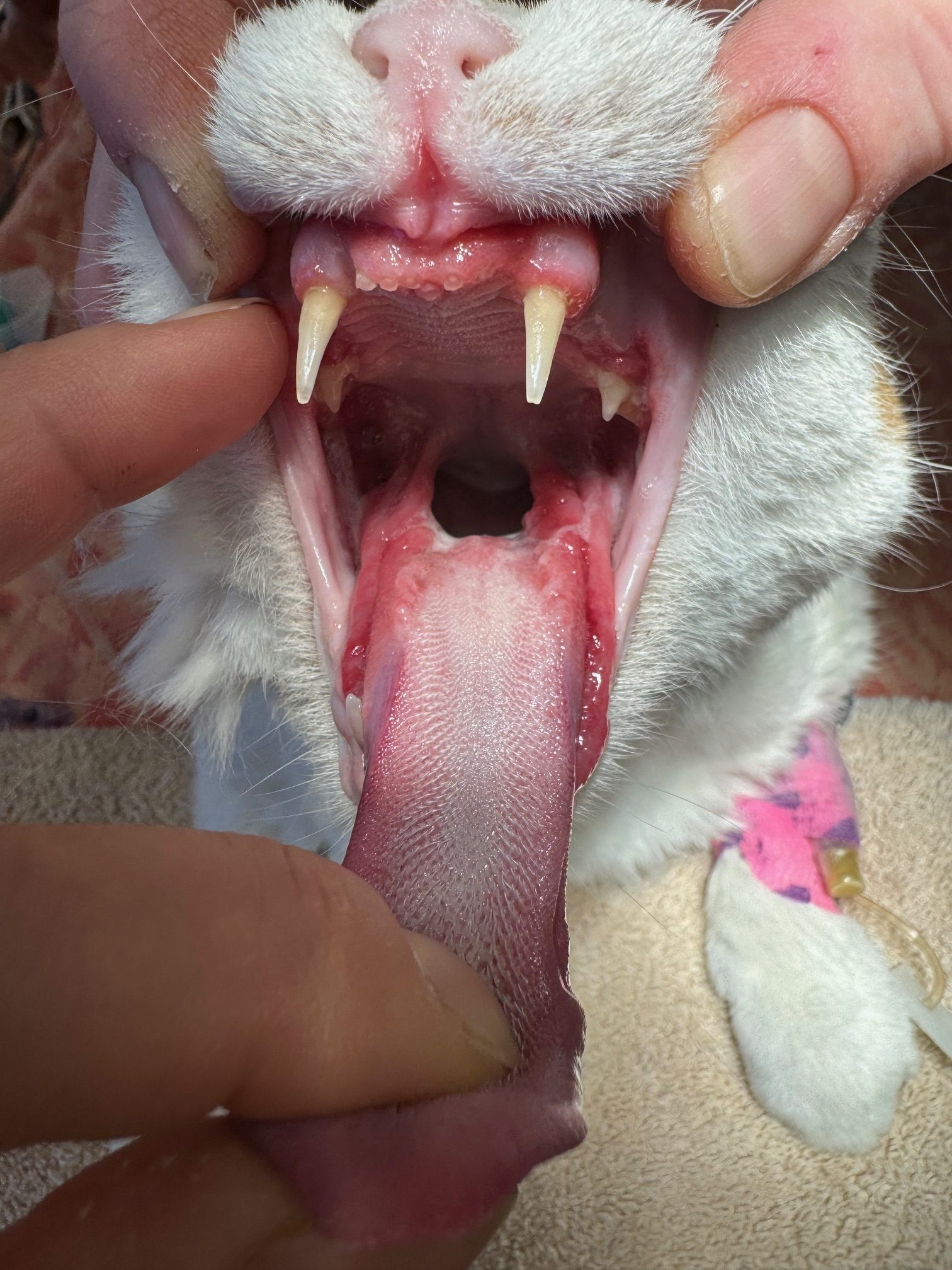

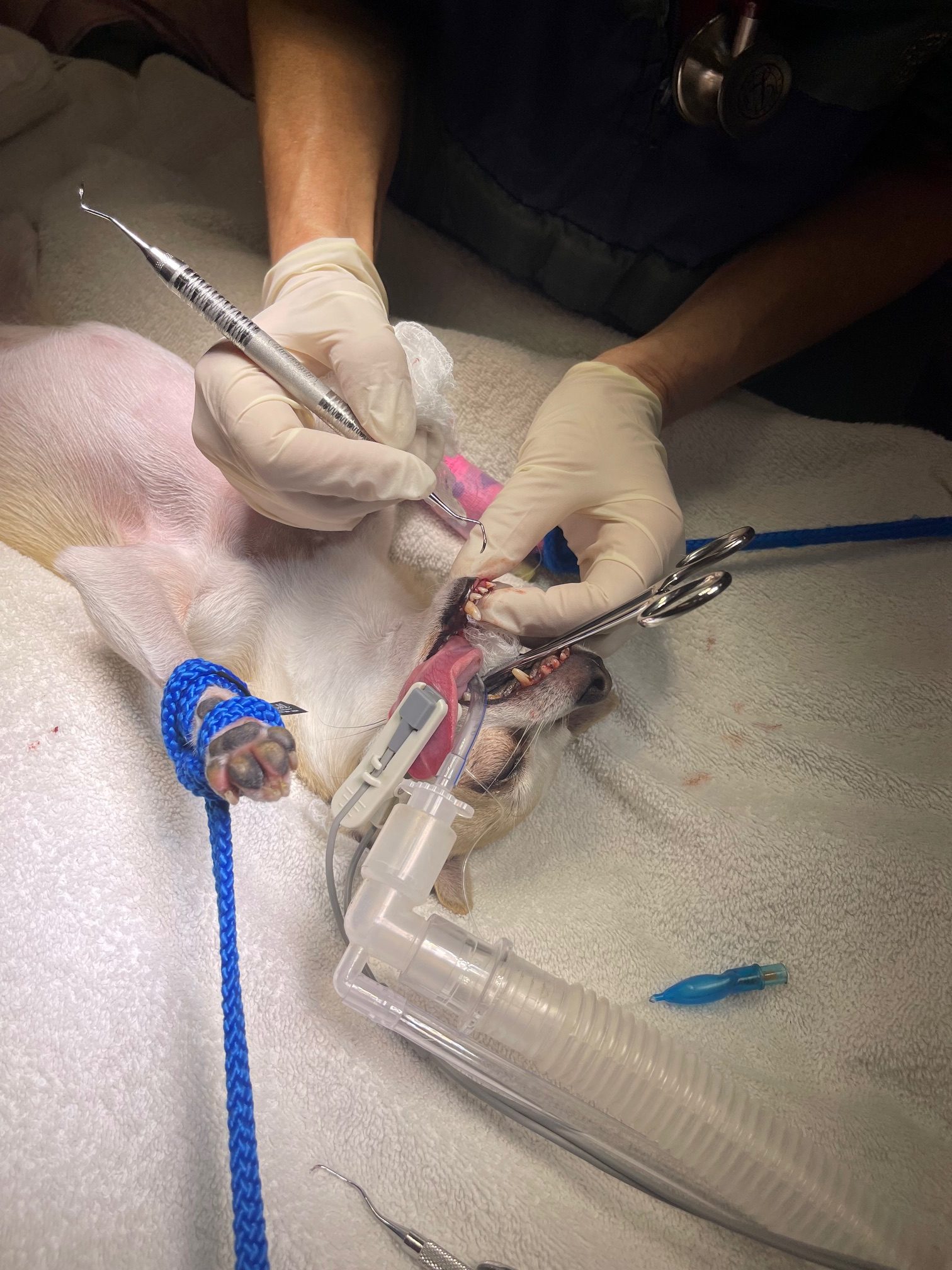
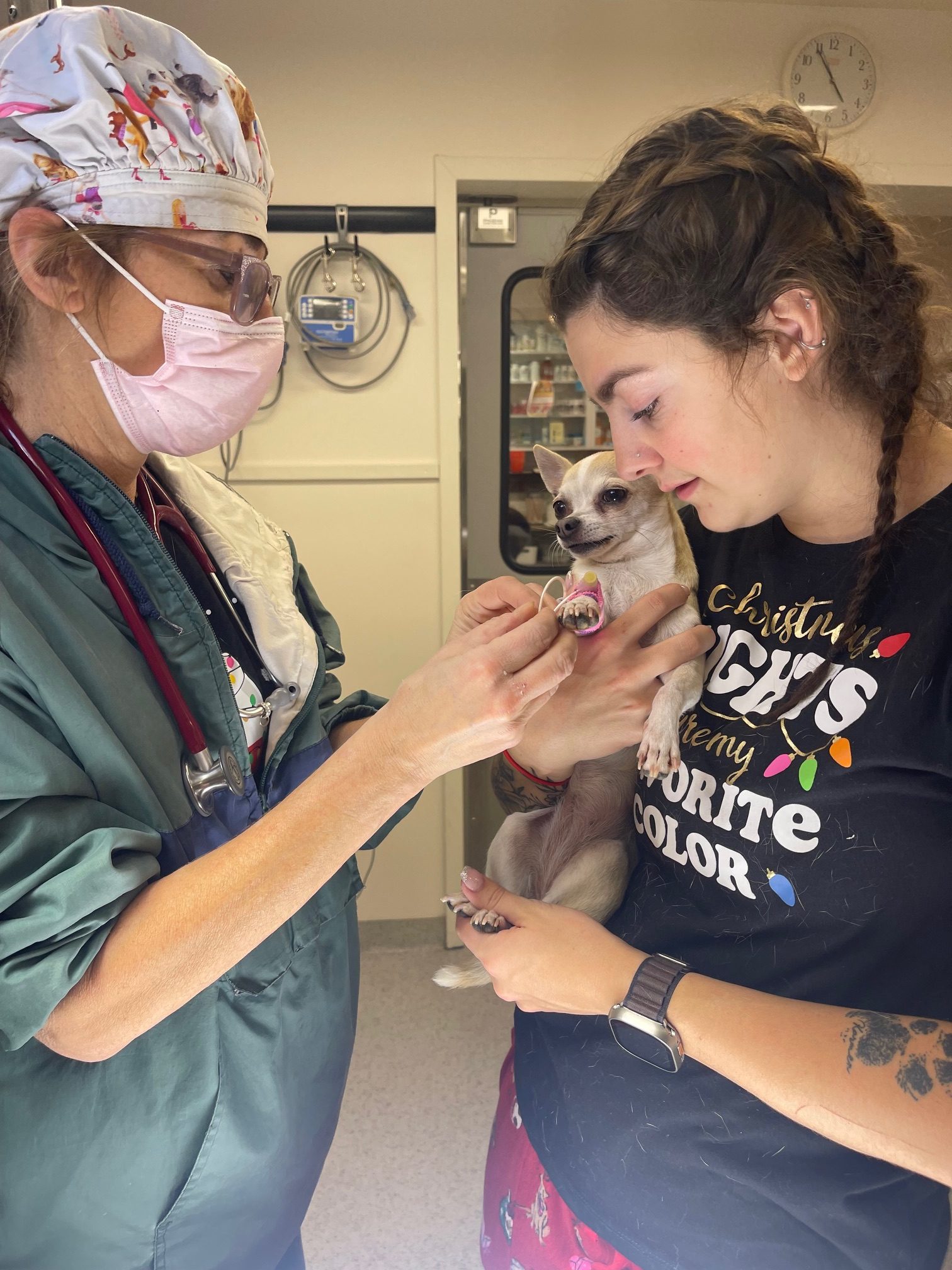
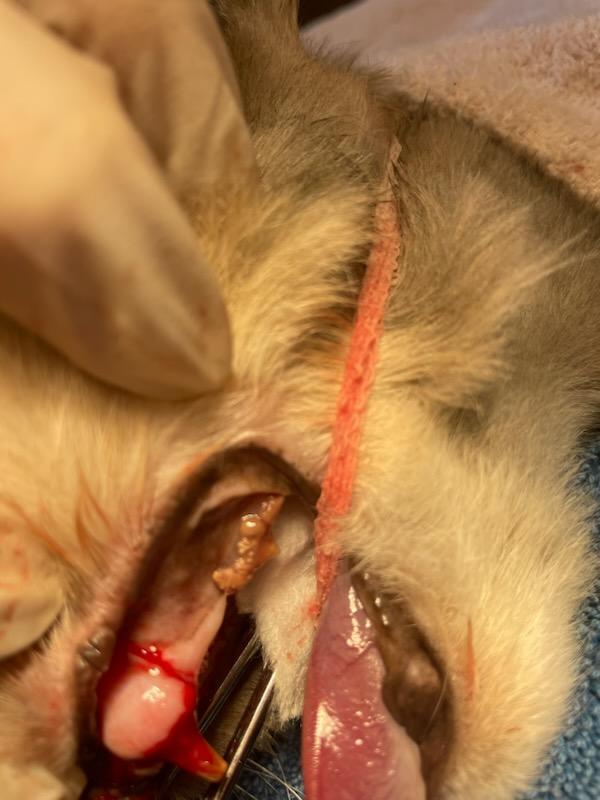
Hello! I have a 2.5 year old indoor cat. At his last check-up the vet showed me that he has red gums and suggested a mouthwash-type liquid (DentiCan) that I apply every day with my fingers (it’s really a spray but I’ve found that dipping my fingers in the liquid and running them over his gums is the only way to apply the product.) I haven’t really noticed any improvement. Is there anything else I can do prevention wise? What might be causing this issue in the first place? None of our other cats have gum issues and they all eat a high quality Hills diet. Thanks for your input!

My DSH cat Ollie, 6 years old started vomiting and having trouble eating on Wed 3/1/23, same thing Thurs. threw up everything he ate. I gave him watered down fancy feast broth via syringe that evening. I took him to the ER vet Thurs night. The ER vet did body XRays and found nothing abnormal. Gave him fluids. She thought it might be related to his teeth removal in Aug 2022. She gave him pain meds and nausea medicine. There’s been no more vomiting.
Followed up with his veterinarian practice Friday morning 3/3/2023. She did a very thorough mouth exam. Did not believe related to dental work. His blood work came back normal. Was not reactive to firm pressure anywhere near mouth. She agreed to continue pain and nausea meds but no other info. Given antibiotic shot. He was fed watered down meat baby food on Friday and more water via syringe.
Saturday 3/4/2023 went back to his vet practice to see another vet. She did additional bloodwork and ruled out pancreatic issues. She did same exam and noted his was not reactive to pressure/touch anywhere except back of mouth/throat area. Told to stop pain meds. Given steroid shot to see if his throat/back of mouth is inflamed. Said should notice a difference Monday if this is effective. Has follow up with this vet on Tuesday morning. He started hills science prescription a/d food today via syringe and continuing water mixed with a little baby food for extra hydration/nourishment. She said if this doesn’t help he will need to seek an internal specialist.
Please help. Thoughts ?
I have two dogs who made “friends” with a skunk about a week ago. I have bathed them in hydrogen peroxide, baking soda, dawn dish soap. Also had the bathed at the groomer and then bathed them again at home with Skunk Out shampoo. The still smell but not too badly. What seems to really stink is when they open their mouths. I use Fresh Dental in their water with limited success. Any other suggestions?
You can use traditional methods like putting cardamom or fennel seeds in his mouth. This is a temporary solution. I hope this will be helpful. Lemon or vinegar can also be helpful.

Hello,
This is a tough one because we don’t have a direction to go in
Here’s my advice. First weigh him everyday. We need to be sure he is not losing weight. Next try a canned only food. I like science diet I/d. (As in intestinal diet). Available at your vets office. Ideally feed small meals every 3-4 hours as long as he is not vomiting. Next make sure a full cbc chemistry fecal (very important to do a fecal) and urine is done. Then full X-rays. If I am still worried I send the X-rays to a radiologist for review and then do an ultrasound. If possible find a feline only veterinarian to get a second opinion. Then I call for an internal medicine consult via my lab services company. All of these are things you should (hopefully) have access to before you go to an internal medicine specialist.
The issue with your cat seems to be the hat you do not have a diagnosis for the cause of the vomiting. All of the above should help you get to one.
I hope this helps. Please keep me posted.
Krista.
Thank you Krista! The vomiting has stopped but he won’t eat on his own. I truly appreciate your help. I’m really trying while we work toward answers.